André Vernet
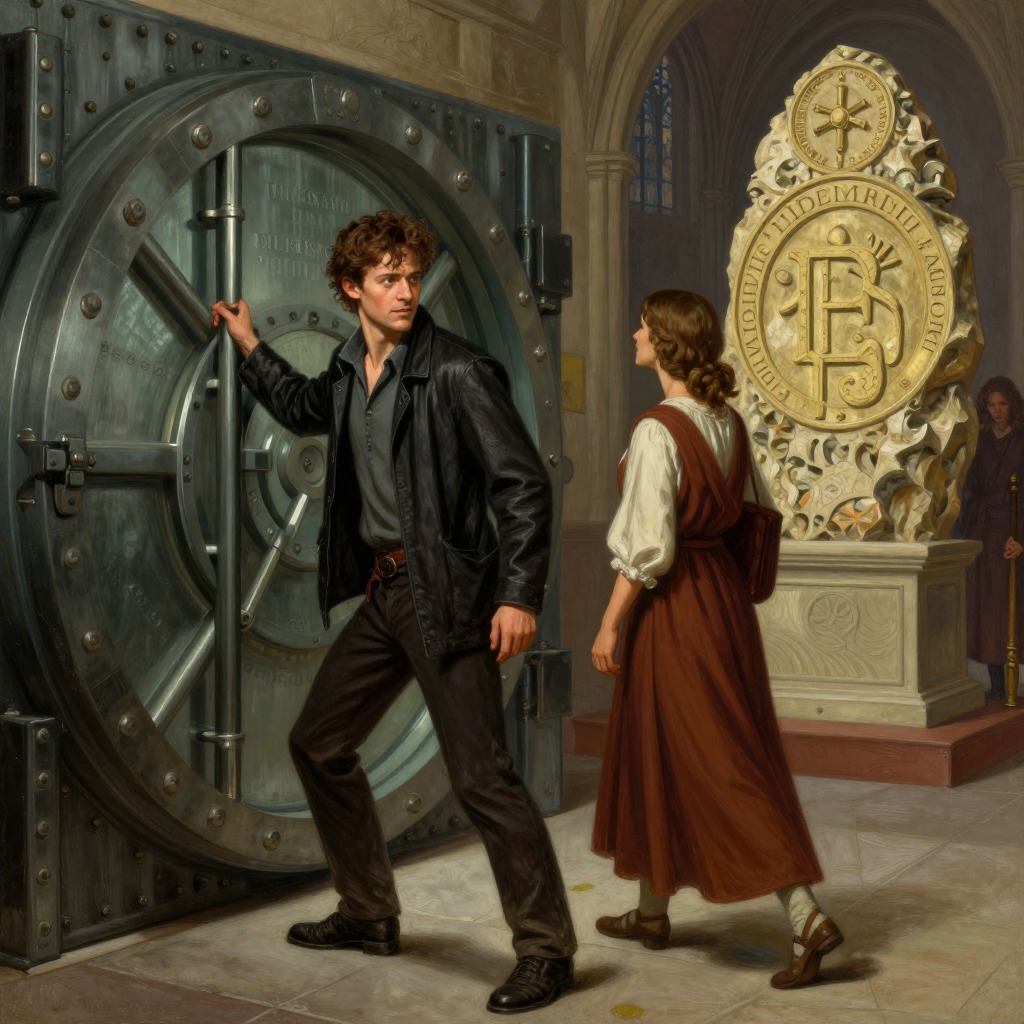
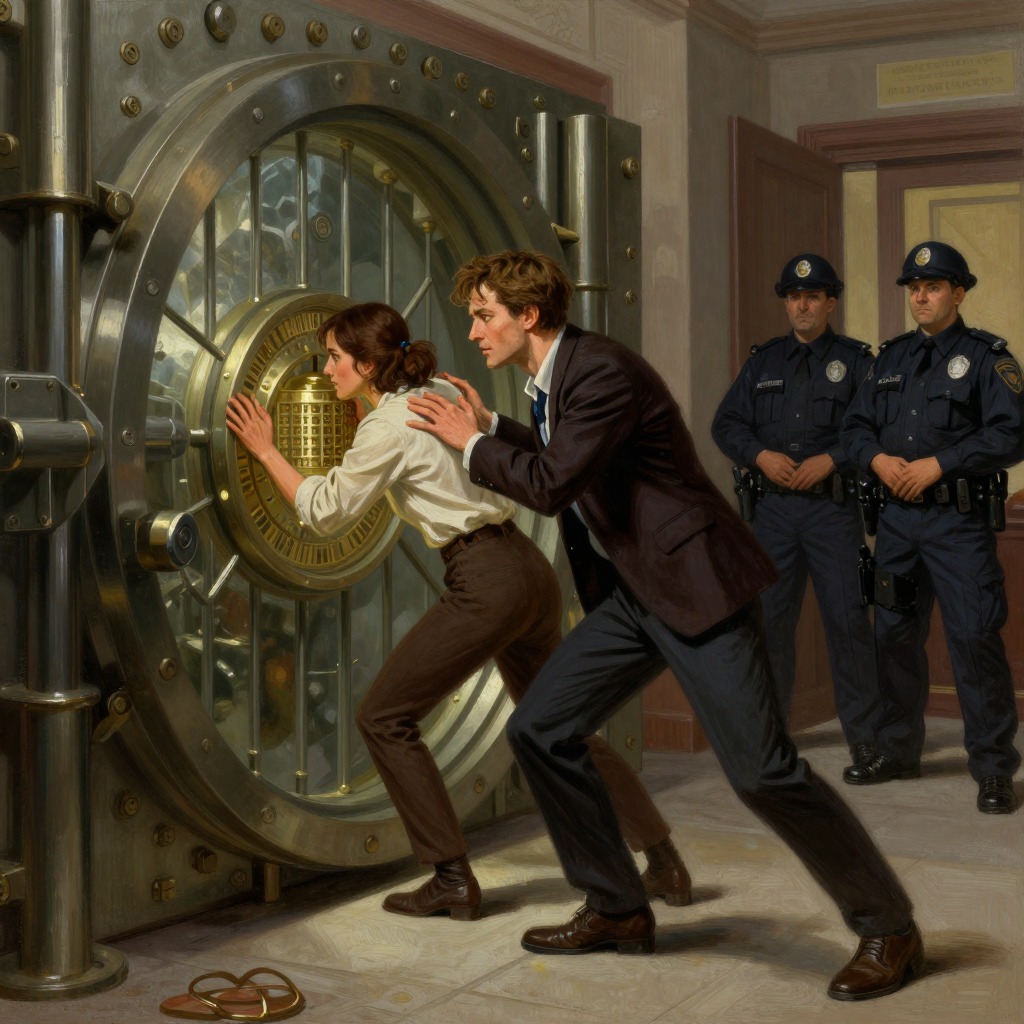
André Vernet, the polished and impeccably dressed president of the Paris branch of the Depository Bank of Zurich, is a man caught between professional duty and personal loyalty. His bank, a twenty-four-hour facility offering anonymous safe-deposit boxes, is the very institution where Jacques Saunière stored the keystone—the encrypted map to the Holy Grail. Vernet's life of privilege, dreaming of a riverside apartment on L'lle Saint-Louis filled with rare Bordeaux and Fragonard paintings, is shattered when he is awakened to find that the two fugitives from a high-profile murder investigation are standing in his bank's private viewing room, holding a gold key that only a select few should possess.
Identity and Background
Vernet is a man of culture and refinement, educated at prep school and the Sorbonne with a cum laude degree in international finance. He has no police record and is known for his contributions to electronic security. His personal tastes include art books, expensive wine, and classical music, particularly Brahms. He lives in a lavish flat above the bank, a residence he finds less desirable than the riverside apartments he dreams of. Despite his wealth, he is not a man of action; when he confronts Langdon and Sophie, he holds a pistol awkwardly, and his threats are delivered with a visible strain. His primary concern is the reputation of his bank, which has never suffered a robbery, and he is desperate to avoid the scandal of a police investigation on his premises.
Role in the Plot
Vernet's involvement begins when Langdon and Sophie arrive at the bank with Saunière's gold key. He initially appears as a helpful host, explaining the bank's procedures and offering them the use of the private viewing room. However, his demeanor shifts when he learns that Saunière has been murdered and that his guests are wanted by Interpol. He quickly decides to help them escape, driving them out of the bank in an armored truck and lying to the police about their presence. This decision is driven by a desire to protect his bank's reputation and to honor his friendship with Saunière. Yet, when he later hears on the radio that Langdon is charged with four murders, he turns on them, pulling over the truck and demanding the return of the rosewood box at gunpoint. His change of heart is abrupt and reveals his deep-seated fear of being implicated in a crime.
Key Actions and Objectives
Vernet's actions are defined by a series of rapid, contradictory decisions. He first helps Langdon and Sophie escape, then tries to recover the box, and finally contacts the police to report the theft. His objective is always to protect his bank and himself, but his methods shift from cooperation to confrontation. He is not a villain but a man caught in a situation beyond his control, and his attempts to regain control only make things worse. When he calls Captain Fache to change his story, he is motivated by a desire to recover the stolen property and to keep his bank's name out of the news. His final act is to contact the police, but by then, the damage is done.
Relationships and Conflict
Vernet's relationship with Jacques Saunière is one of friendship and trust. He describes Saunière as a dear friend and speaks of him with genuine affection. This personal connection is what initially leads him to help Langdon and Sophie. However, his loyalty is tested when he learns of the murders, and he ultimately chooses to prioritize his own safety and the bank's reputation over his friendship. His conflict with Langdon and Sophie is not personal but professional; he sees them as a threat to his livelihood and his freedom. The confrontation in the woods, where he holds them at gunpoint, is a moment of high tension that reveals his desperation. He is not a killer, but he is willing to use force to protect what he believes is rightfully his.
Change and Ending
Vernet's arc is one of a man who tries to do the right thing but is overwhelmed by circumstances. He begins as a helpful banker, becomes a reluctant accomplice, then a would-be thief, and finally a witness. His final appearance in the story is a phone call to Fache, where he offers to cooperate fully in exchange for protection and the recovery of the box. He is left in a state of uncertainty, having lost the box and having implicated himself in a crime. His fate is unresolved, but his actions have set in motion the final confrontation between Langdon, Sophie, and Teabing.
Thematic Significance
Vernet embodies the theme of moral ambiguity that runs through the novel. He is neither a hero nor a villain but a man whose decisions are shaped by fear, loyalty, and self-interest. His character highlights the tension between personal ethics and professional duty, and his actions demonstrate how easily a person can be drawn into a world of secrets and violence. He also serves as a foil to the more principled characters, showing that even those who are not directly involved in the quest for the Grail can be affected by its power. His bank, with its promise of anonymity and security, is a symbol of the modern world's attempt to control information, a theme that resonates throughout the story.